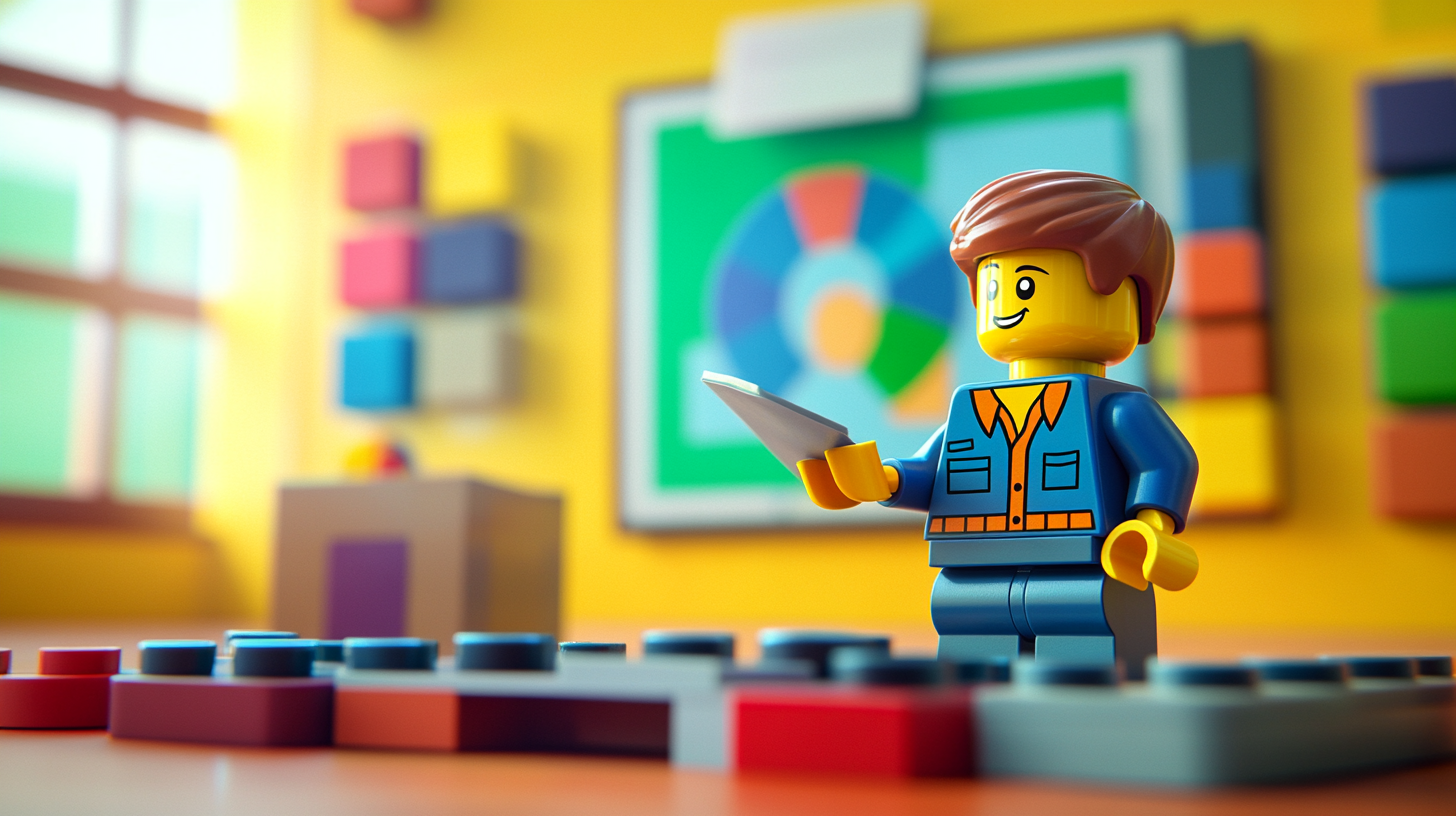
Charting Creativity: A Fun Look at What Kids Choose to Build—And What That Says About Their World
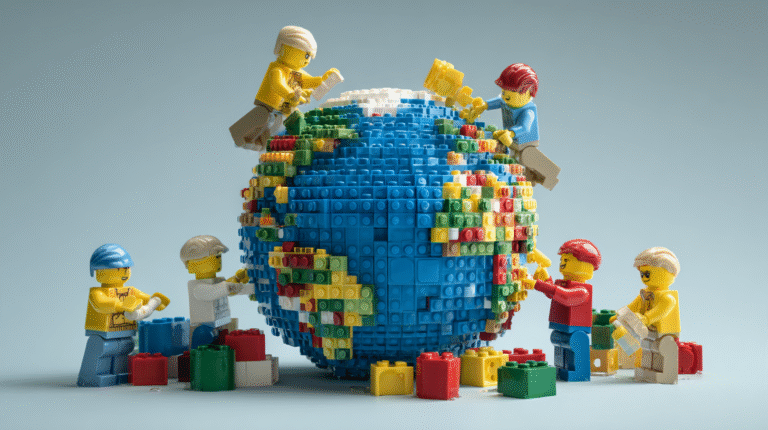
You can learn a lot by watching kids build things. Not just how they stack bricks or choose colors, but what they decide to make. A spaceship with one wing? A bakery run by pirates? A tiny school where every desk has a sword rack? These creations say more than they seem to.
What’s especially interesting is looking at the patterns across hundreds or thousands of kids. When you start seeing which kinds of minifigs they ask for, which ones sell out fast, and which ones collect dust—those preferences tell a story.
It’s not formal data. It’s not peer-reviewed. But it’s real. And honestly, it’s more fun.
What the Weird Favorites Say
First, let’s talk about the outliers. Every now and then a weirdly specific minifig becomes unexpectedly popular. A zombie barista. A Victorian ghost. A duck wearing armor. These aren’t mainstream characters. They’re niche, even odd.
But they’re often the ones that spark the most creativity. Kids don’t just collect them—they build entire worlds around them. The duck knight becomes king of the pond kingdom. The ghost haunts an abandoned gelato shop. These aren’t sets that exist. They’re stories waiting to be told.
What does that say? That kids still love the unexpected. They don’t want everything spoon-fed. A minifig that makes no sense gives them more freedom to invent something that does.
Heroes, Villains, and the Blurry Line Between
There’s a clear trend: kids love antiheroes. The days of clear-cut good guy vs. bad guy are kind of over. Sure, classic heroes still sell—especially the ones with capes—but there’s something about a morally gray figure that sparks more interest.
Figures like a masked vigilante, a rogue hacker, or a cursed adventurer show up in more carts than you’d expect. The villain minifigs? Also doing fine. But it’s not always about destruction. A lot of kids build redemption stories. Villains who change. Heroes who mess up. Whole arcs that play out on the bedroom floor.
Maybe that’s a reflection of how kids see the world now. They know people are complicated. They know not everyone fits in a clean box. And they want their stories to match that.
Gender Trends Are Loosening Up
It’s also clear that gender lines are starting to blur. A decade ago, you’d see sharper divides: boys buying warriors, girls buying princesses. That’s less true now. Plenty of girls are buying robot bounty hunters. Plenty of boys are picking up woodland witches or plant druids.
Custom figures that mix traits—like a battle-ready librarian or a gentle monster—do especially well. It’s like kids are saying, “I don’t care what it’s supposed to be. I care what I want it to be.”
That’s a good thing. It means more space for play that isn’t boxed in by old stereotypes. And it shows up in the builds, too—castles with rainbow flags, tea parties inside haunted crypts, scientists on flying carpets. It’s chaos. It’s also progress.
Social Themes Are Showing Up More
Here’s one of the more surprising patterns: minifigs based on social or civic themes are quietly getting more popular. A few years ago, a protester minifig or an environmental scientist might have been a niche item. Now they’re steady sellers.
Some kids ask for custom minifigs holding signs. Others want figures in lab coats with climate data or journalists with microphones. There’s even been a rise in demand for figures with mobility aids—wheelchairs, guide dogs, prosthetic limbs.
This shift doesn’t mean kids are obsessed with politics. It just means they’re aware. They see things on the news, hear things at school, and sometimes those things make their way into the stories they build. A city with clean energy. A neighborhood organizing against a dragon invasion. It’s fiction, sure—but it reflects what they’re picking up from the real world.
The Rise of the Mashup
If there’s one trend that’s hard to ignore, it’s the mashup. Kids are constantly combining unrelated themes. Cyberpunk knights. Cowboy scientists. Ninja chefs. It’s like no one wants to stay in a single category anymore.
In a way, this mirrors the way kids interact with media now. They don’t just watch one show or play one game. They bounce between platforms, blend styles, remix memes. And their minifigs follow suit.
This kind of play isn’t aimless. It’s creative synthesis. It says, “What if I take two things I like and make something new?” It’s kind of what every innovator does—just with more plastic and less funding.
Data from the Floor
If you’re looking for a formal chart, good luck. But the trends are there. They show up in which figures get reordered most often. In which ones kids talk about on forums or recreate in fan art. And yes, in what flies off the digital shelves at places like Minifig.biz, where you can see all these themes play out in real time.
It’s not exact. But it’s enough to notice:
- Weird, story-rich figures = more builds.
- Blended roles = more freedom.
- Social themes = more thoughtful play.
And when you put all that together, it paints a picture of kids who are paying attention, thinking for themselves, and using play as a way to sort it all out.
So What Does It All Mean?
It means kids don’t just build what’s handed to them. They remix it, twist it, and turn it into something that makes sense to them. And what makes sense to them is often more nuanced, more open, and more reflective of the real world than we give them credit for.
If you want to understand what a kid is thinking about, don’t ask them directly. Watch what they build. Look at the figures they choose, the stories they create, the way they mix themes.
Because that’s where their voice really shows up. Not always in words. Sometimes in tiny scenes where a climate scientist and a werewolf detective team up to rescue a dragon from corporate developers.
You might laugh. But honestly, that’s not a bad story.
And maybe it’s telling us something worth paying attention to.